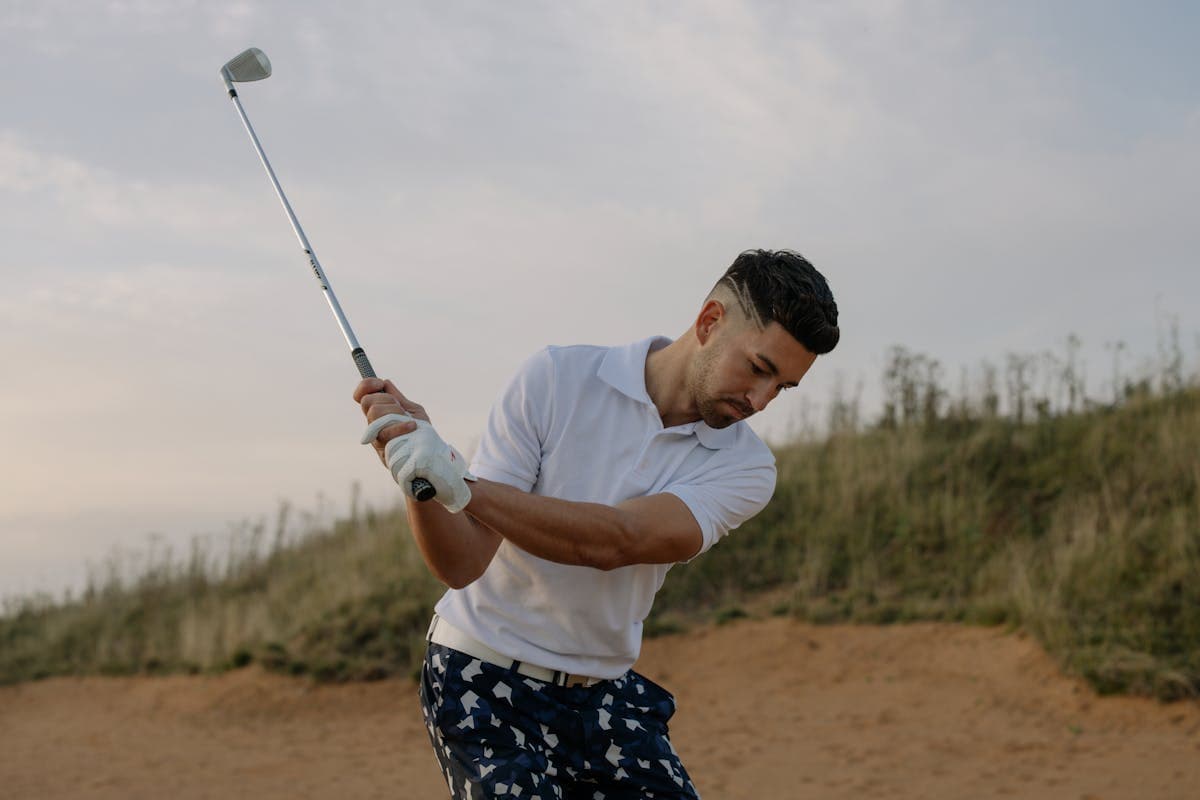
A lesson with a PGA professional is different from hitting balls at the range on your own. There is a structure to it, and knowing what to expect beforehand helps you get more from the session. Here is a clear account of what happens before, during, and after a golf lesson with a qualified professional.
Before you arrive
When you redeem your voucher and book a lesson through Swyng, you will have the opportunity to tell the professional a little about your experience level and what you would like to work on. Even if you are a complete beginner with no specific goals, that is useful information for the professional to have before the session starts.
Arrive a few minutes early. Most lessons take place on the driving range or practice area, so go there directly rather than the clubhouse. If you are unsure where to go, ask at reception and they will point you in the right direction.
The first few minutes: assessment
The professional will begin by watching you hit a few balls. This is not a test — it is how they assess where you are and decide what to focus on. Even experienced golfers benefit from this because the professional will spot things you are not aware of.
For beginners, the professional will ask you to make a few swings so they can see your natural movement and starting point. Do not worry about what it looks like. They have seen every starting point imaginable.
During the lesson: what gets covered
A good PGA professional will not try to fix everything at once. They will identify the one or two things that will make the biggest difference and focus on those. Common areas covered in a first lesson include:
- Grip — how you hold the club affects everything else. Most issues can be traced back here.
- Setup and posture — stance width, ball position, and how you stand to the ball.
- Swing path — the direction the club travels through impact.
- Impact position — where the clubface is when it meets the ball.
In a one-hour lesson, the professional will typically have time to work on two or three areas in depth. In a half-hour lesson, expect one focused area. In a two-hour lesson, there is time to work through the full swing and potentially some short game as well.
How PGA professionals teach
PGA professionals are trained to explain technical concepts in plain language. You will not be expected to understand biomechanical terminology. Good professionals use visual references, drills, and feel-based cues to help you understand what a change should feel like, not just what it should look like.
Most professionals use video analysis at some point, either on a phone or a dedicated launch monitor system. Seeing your own swing on screen is one of the most effective ways to understand what is actually happening versus what it feels like you are doing. The two are often very different.
At the end of the lesson
Before you leave, the professional will give you one or two things to practise on your own. These are called practice points or drills. They are specific and actionable so you can continue improving between sessions without reinforcing bad habits.
If you booked a single lesson and want to continue, the professional can usually discuss further sessions at the same venue. This is entirely optional — the voucher covers one session and there is no obligation to book more.
What to wear and bring
Smart-casual clothing is standard. Most courses have a no-denim policy. Golf shoes are not required for a range lesson, but flat-soled trainers or sports shoes work well. Bring your own clubs if you have them. If not, let Swyng know when booking and the professional will provide a set for the session.